Mwaka Kogwa Festival: A Persian-African Celebration of Renewal in Zanzibar
Event Overview
Mwaka Kogwa Festival: A Persian-African Celebration of Renewal in Zanzibar 🔥🎶
March 22, 2025 | Culture and Community
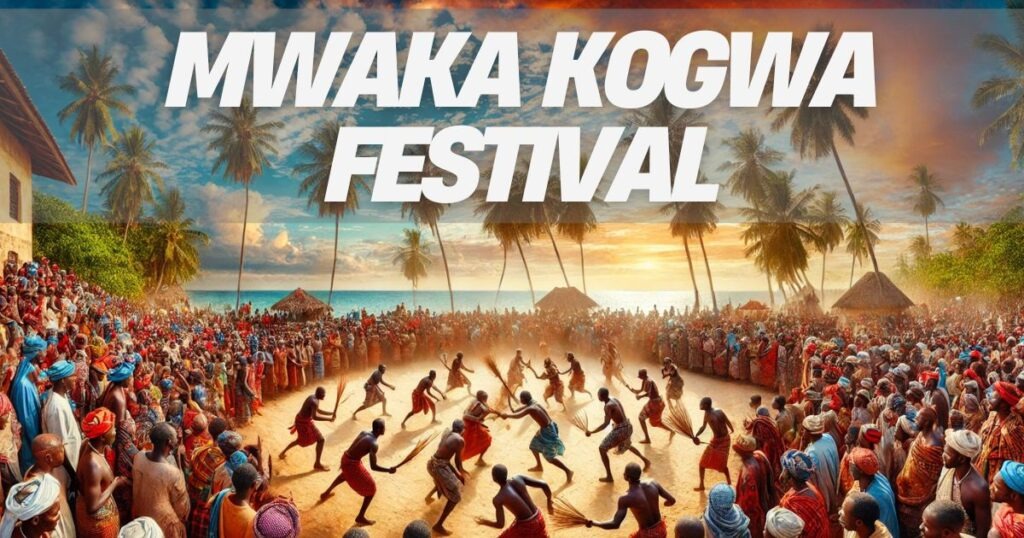
Mwaka Kogwa is one of Zanzibar’s most distinctive cultural festivals, offering a powerful blend of history, ritual, and community celebration. Held each July in the village of Makunduchi, this event marks the Shirazi New Year and reflects centuries of Persian and African influence woven into Swahili culture. Visitors encounter lively traditions such as banana stem battles, traditional music and dance, and fire rituals that symbolize renewal and fresh beginnings. An ideal opening image here would be a wide shot of Makunduchi village during the festival, filled with color, people, and movement. 📸🌍
Every year, Makunduchi transforms from a quiet coastal village into a vibrant center of rhythm and ceremony. Locals and visitors gather to celebrate a festival rooted in Shirazi, or Persian, heritage and shaped over generations by African cultural practices. Taking place around July 23rd and 24th, Mwaka Kogwa offers a rare chance to witness living traditions that continue to play an important role in community life. This section works well with an image showing crowds gathered, drummers playing, or dancers performing in traditional attire. 🥁📷
🥊 Symbolic Rituals & Cleansing
The festival begins with rituals focused on clearing away conflicts from the past year and welcoming a fresh start. Men take part in friendly mock battles using banana stalks, symbolizing the release of old tensions. These banana stem fights are playful rather than competitive, carefully supervised by elders as a sign of unity and reconciliation. An image placed here could capture the banana stalk duels, highlighting both energy and tradition. 🌿📸
💃 Women’s Songs & Celebration
While the men engage in mock combat, women play an equally vital role in the festivities. Dressed in traditional Swahili clothing, they sing and dance, performing songs centered on love, unity, fertility, and peace. Their performances bring warmth and joy to the celebration and reinforce the deeper message of harmony within the community. A beautiful image here would show women in colorful attire singing or dancing together. 🎶📷
🔥 The Burning of the Hut
The most powerful and symbolic moment of Mwaka Kogwa comes with the burning of a small hut made from coconut leaves and palm fronds. This ritual is performed by a village healer, known as a mganga, and represents the end of the old year. The direction of the smoke is closely observed, as it is believed to predict fortune and well-being for the coming year. This section is ideal for a dramatic image of the burning hut at dusk, with villagers gathered nearby. 🌅📸
🌍 Cultural Meaning & Identity
Mwaka Kogwa is more than a festival; it is a reflection of Zanzibar’s identity and resilience. It blends Persian symbolism, African ritual traditions, and Islamic cultural influences into a celebration that is uniquely Zanzibari. For visitors, the festival offers an authentic glimpse into the island’s soul and a meaningful connection to local life beyond the beaches and resorts. An image here could show elders, families, or community leaders observing the rituals together. 🧕📷
📍 Planning Your Visit
The main celebrations take place in Makunduchi, located in the southern part of Unguja Island, though smaller observances may occur in other areas of Zanzibar. Travelers planning to attend are encouraged to combine the festival with a broader cultural itinerary, as July is an excellent time to explore the island’s heritage, villages, and coastline. A final image suggestion would be a scenic view of southern Zanzibar or a sign welcoming visitors to Makunduchi. 🏝️📸
Experiencing Mwaka Kogwa means witnessing a living tradition where music, ritual, fire, and community come together. Every song, every movement, and every flame tells a story of renewal, reconciliation, and hope for the year ahead.
Makunduchi village, Unguja Island, Zanzibar.
July 23, 2026