Zanzibar Archipelago
About Zanzibar Archipelago
Escape to an island paradise where turquoise waters kiss powder-white beaches, exotic spices perfume the warm air, and centuries of fascinating history blend into contemporary tropical luxury. Zanzibar, the legendary "Spice Island," is a mesmerizing fusion of African, Arabic, Persian, Indian, and European cultures that has captivated traders, explorers, and travelers for over a millennium. This archipelago, floating in the azure waters of the Indian Ocean just 25 kilometers off Tanzania's coast, offers an intoxicating combination of pristine beaches, rich cultural heritage, world-class diving, and sensory experiences found nowhere else on Earth.
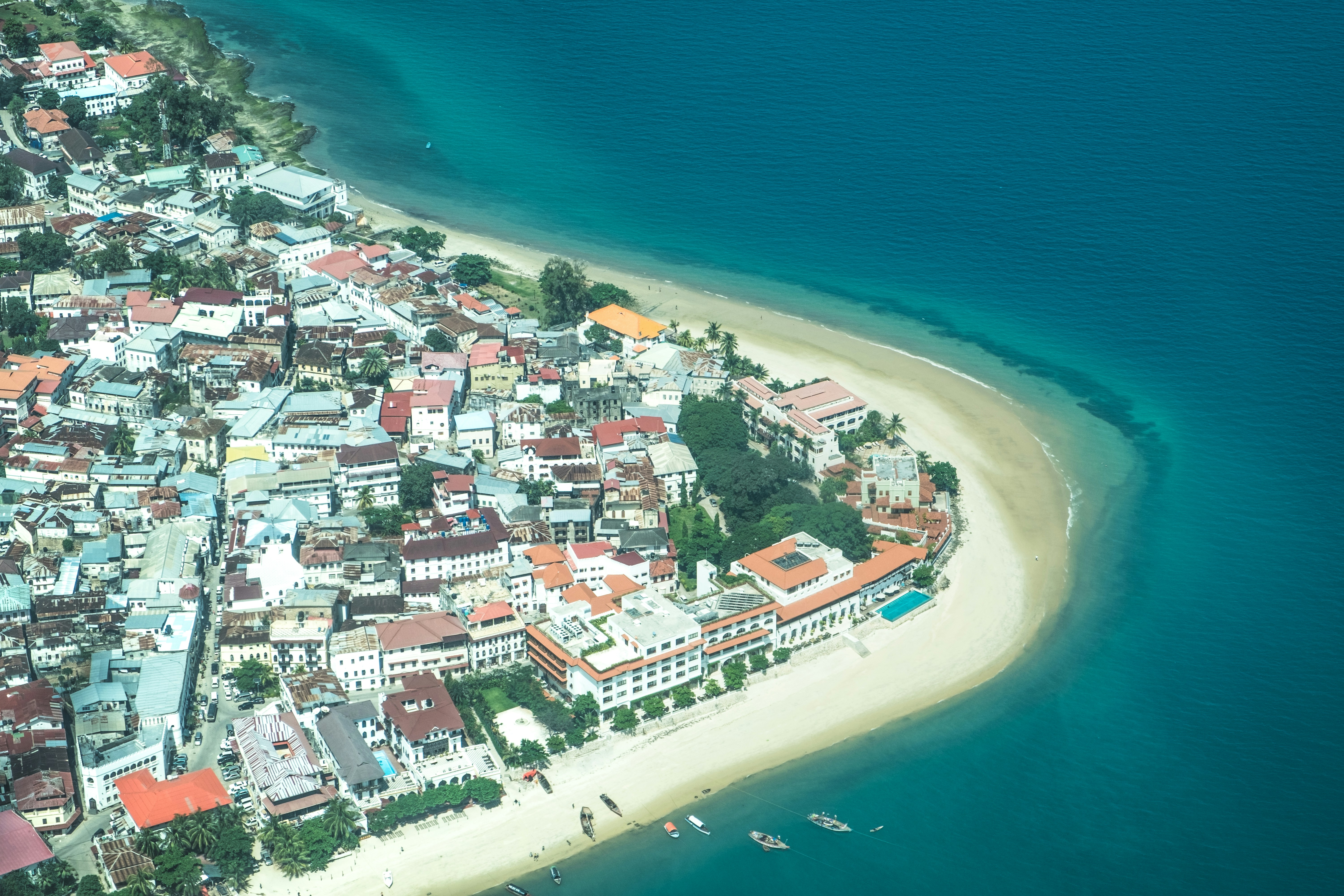
The heart and soul of Zanzibar beats strongest in Stone Town, the ancient capital and a UNESCO World Heritage Site that seems frozen in time. Wandering through this architectural masterpiece feels like stepping back two centuries into a world where Arab sultans ruled, ivory and spice traders made fortunes, and dhows from across the Indian Ocean crowded the harbor. The town's labyrinthine network of narrow winding alleys, barely wide enough for two people to pass, creates an atmosphere of mystery and discovery. Turn any corner and you might find yourself before an ornately carved wooden door – Zanzibar is famous for these massive studded doors, each one unique, with intricate carvings depicting family heritage, religious beliefs, and social status. Over 500 of these architectural treasures still grace Stone Town's buildings.
Historic buildings reveal Stone Town's cosmopolitan past. Visit the House of Wonders, once East Africa's grandest building and the first structure on the continent to have electricity and an elevator, though it tragically collapsed in 2020 and currently stands as a poignant reminder of the need for heritage preservation. Explore the Old Fort, built by Omani Arabs in the 17th century and now hosting cultural events and craft markets. Stand in the sobering former slave market chambers at the Anglican Cathedral of Christ Church, built deliberately on the site where the whipping post stood, serving as a powerful memorial to the horrific slave trade that saw hundreds of thousands of Africans pass through Zanzibar's markets. The cathedral's moving displays and underground chambers provide essential context for understanding this dark chapter of history.
Immerse yourself in the sensory overload of Zanzibar's bustling markets. The Darajani Market explodes with color, sound, and aroma – vendors selling everything from fresh fish hauled in by traditional dhow fishermen to mountains of tropical fruits you've never seen before, vibrant kangas (traditional fabrics) printed with Swahili proverbs, and aromatic spices that made Zanzibar famous. The Forodhani Gardens Night Market, opening each evening along the waterfront, transforms into a spectacular food festival where the scent of grilling seafood, mishkaki (spiced meat skewers), Zanzibar pizzas (unique local creations nothing like Italian pizza), and urojo (tangy soup) draws crowds of locals and tourists. Watching the sun set over the Indian Ocean while tasting exotic flavors and chatting with friendly vendors ranks among Zanzibar's most authentic experiences.
Zanzibar earned its "Spice Island" nickname honestly. The archipelago remains one of the world's major producers of cloves, and spice plantations dot the interior. A spice tour is essential for understanding Zanzibar's history and economy. Walk through fragrant farms where you'll see, smell, and taste cloves, cinnamon, vanilla, cardamom, nutmeg, black pepper, lemongrass, and dozens of other spices growing in their natural state. Knowledgeable guides demonstrate traditional harvesting techniques, explain medicinal uses, and weave together the island's role in the global spice trade that attracted Portuguese, Omani, and British colonizers. The aromatic experience ends with a traditional feast featuring curries and biryanis showcasing the spices you've just discovered.
But Zanzibar's greatest treasures lie along its extraordinary coastline. The eastern shores of Unguja Island feature some of the world's most stunning beaches – endless stretches of powdery white sand so fine it squeaks beneath your feet, fronting waters that shift through every imaginable shade of blue and turquoise. Each coastal area offers distinct experiences. In the far north, Nungwi and Kendwa beaches are famous for spectacular sunsets, vibrant nightlife, and waters that remain deep enough for swimming even at low tide, making them perfect for those who want beach paradise with energy. The northeast coast around Matemwe looks out toward exclusive Mnemba Atoll, offering tranquil beauty and some of Zanzibar's best diving and snorkeling.
The southeastern beaches of Paje and Jambiani have become kitesurfing and windsurfing meccas, with consistent trade winds creating perfect conditions. Watch colorful kites dance across the sky as surfers ride the waves, or learn yourself at one of many schools. These areas retain more authentic character with traditional fishing villages where life continues as it has for generations. During low tide, local women in brightly colored kangas tend seaweed farms that stretch across the shallow lagoons – seaweed cultivation provides important income for many coastal communities.
The Indian Ocean surrounding Zanzibar offers world-class marine experiences. Dive or snorkel around Mnemba Atoll, a protected marine conservation area where visibility often exceeds 30 meters and marine life includes sea turtles gliding gracefully through coral gardens, playful dolphins that sometimes accompany boats, gentle whale sharks seasonally passing through, and over 600 species of tropical fish creating living rainbows around pristine coral reefs. The diversity rivals anywhere in the Indian Ocean – moray eels peer from crevices, lionfish fan their venomous spines, schools of barracuda patrol the blue water, and if you're extraordinarily lucky, you might encounter manta rays or even dugongs.
For the ultimate marine adventure, embark on a Safari Blue excursion from Fumba Beach. These full-day dhow sailing trips take you to hidden sandbanks that appear only at low tide, where you can walk on pure white sand surrounded by azure water in every direction – a surreal experience that feels like walking on water. Snorkel in pristine lagoons, explore mangrove channels by kayak, enjoy fresh seafood grilled on the beach, and climb ancient baobab trees on Kwale Island.
Zanzibar offers accommodations for every taste and budget, from backpacker hostels in Stone Town to ultra-luxury resorts that redefine tropical paradise. Many resorts occupy prime beachfront positions where you can fall asleep to the sound of gentle waves and wake to sunrise over the Indian Ocean. Boutique properties blend Swahili architecture with contemporary comforts, featuring carved furniture, billowing mosquito nets over four-poster beds, and outdoor showers overlooking private gardens. The island's hospitality reflects its multicultural heritage – warm, genuine, and always accompanied by the greeting "Jambo" or "Karibu" (welcome).
The cuisine represents Zanzibar's cultural melting pot perfectly. Swahili cooking blends African ingredients with Arabic spices, Indian cooking techniques, and Persian flavors. Don't miss traditional dishes like biryani infused with local spices, octopus curry served with coconut rice, urojo soup bursting with complex flavors, and fresh seafood grilled with lime and chili. Wash it down with fresh sugarcane juice or the local favorite, spiced coffee roasted the Zanzibari way.
Beyond the main island, explore the archipelago's other treasures. Visit Prison Island to meet giant Aldabra tortoises, some over 100 years old, brought from Seychelles in the 19th century. The larger island of Pemba, less developed and more remote, offers outstanding diving around pristine coral reefs and traditional clove farming villages. Tiny Chumbe Island operates as a private nature reserve with an award-winning eco-lodge where conservation meets luxury.
Zanzibar has a complicated past – it was central to the slave trade for centuries, a prosperous sultanate, a British protectorate, and briefly an independent nation before joining Tanganyika to form Tanzania. This history created the unique cultural blend visible everywhere. Today, over 99% of Zanzibaris are Muslim, and the island maintains conservative values. Visitors should dress modestly outside beach resorts (covering shoulders and knees), especially in Stone Town and rural areas, and respect local customs including the call to prayer that echoes across the island five times daily.
Whether you're concluding an epic Tanzania safari with beach relaxation, honeymooning in tropical paradise, seeking cultural immersion in Stone Town's ancient alleys, diving pristine coral reefs, learning to kitesurf, or simply needing to unwind with a good book under a palm tree, Zanzibar delivers with grace and exotic charm. This is where Africa meets Arabia, where spice-scented breezes carry centuries of history, where white sands meet impossibly blue waters, and where time slows to the gentle rhythm of tropical island life.
Best Time to Visit: June to October offers peak beach weather with sunny days, calm seas perfect for diving and snorkeling, and lower humidity; December to February provides warm temperatures ideal for swimming and sunbathing with occasional short rains; March to May brings heavy rains and high humidity but dramatically lower prices and empty beaches for adventurous travelers; January to February and June to October are optimal for diving with best visibility.
Related Destinations
-
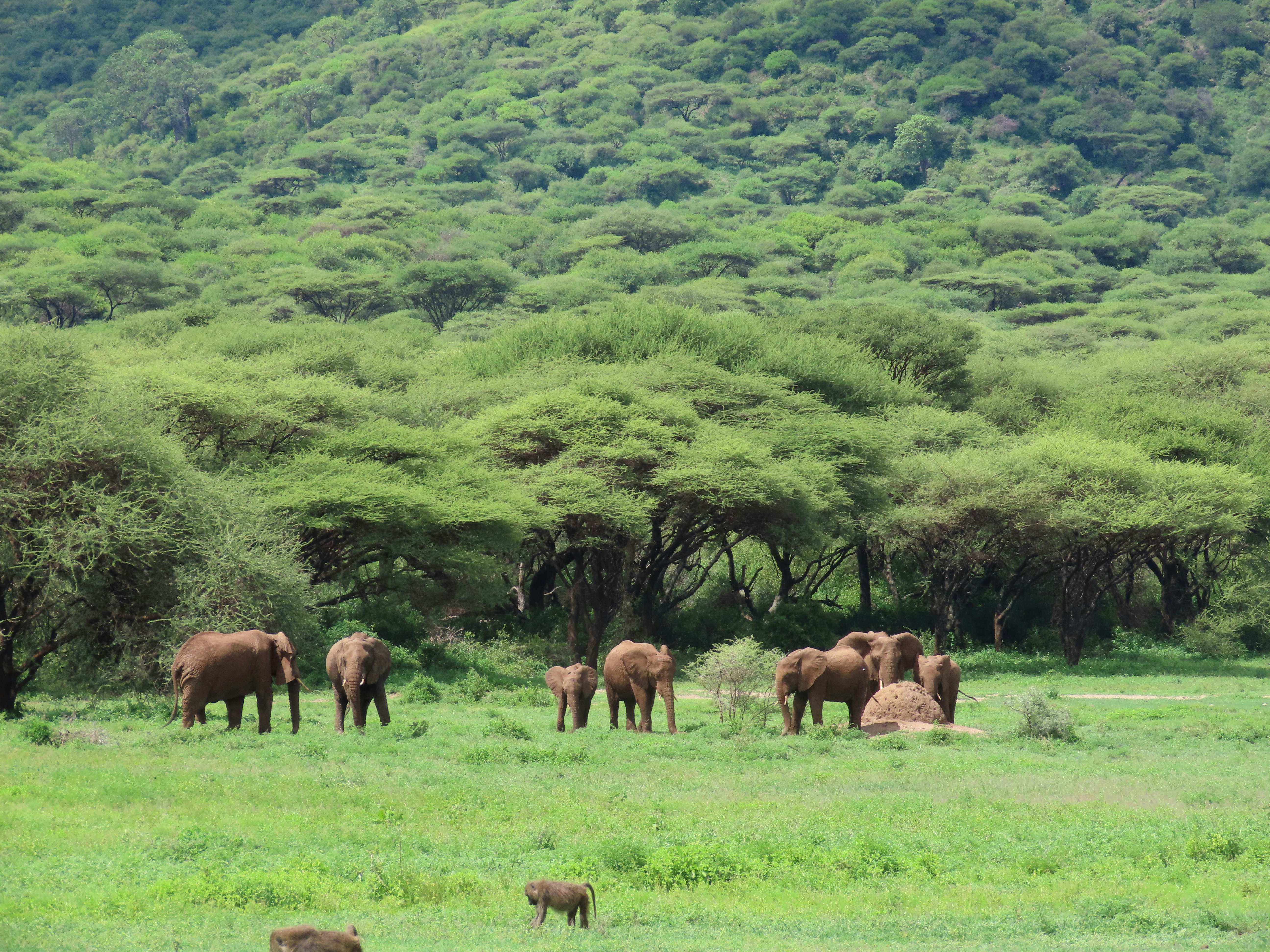
Ngorongoro Conservation Area
View Details -
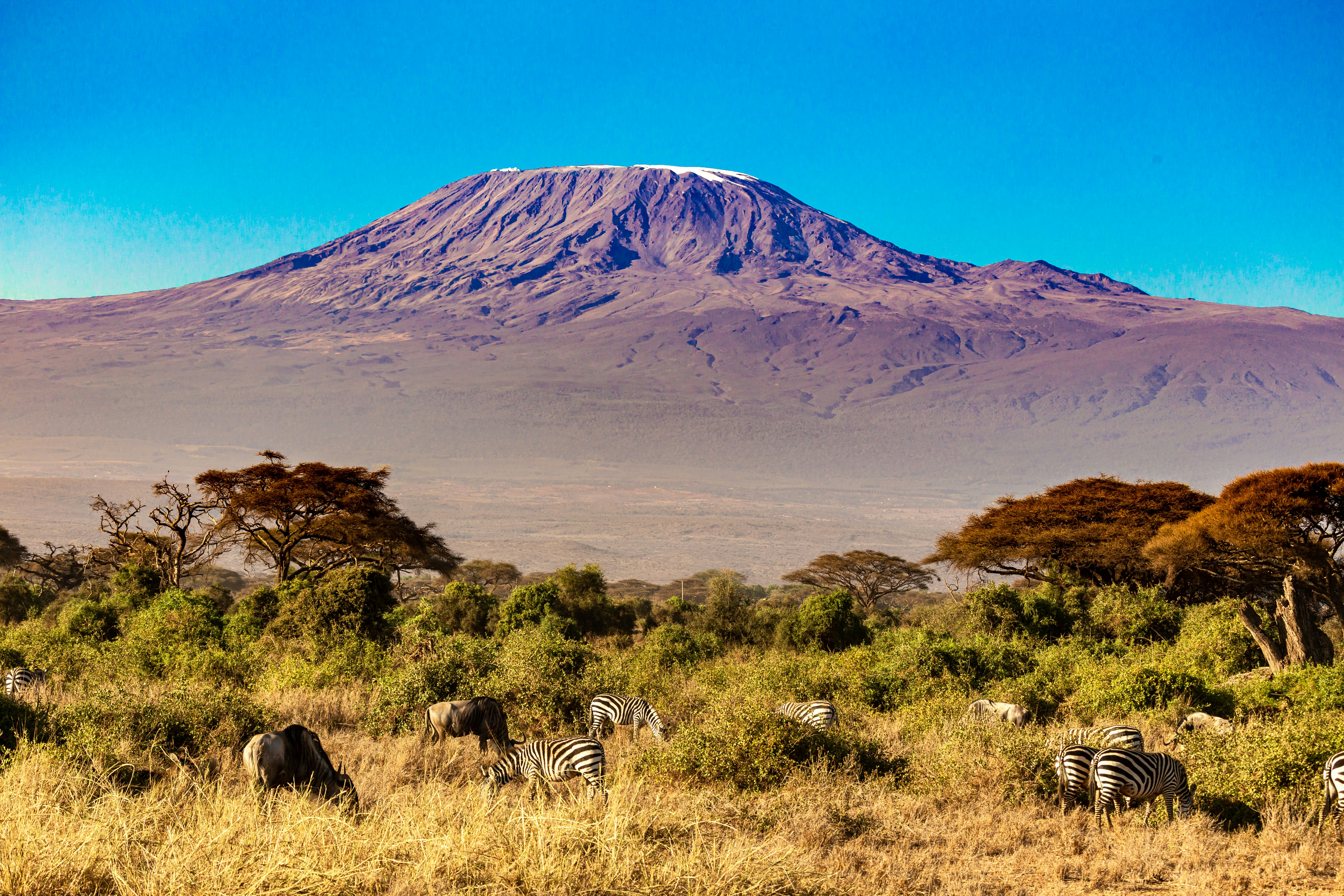
Mount Kilimanjaro National Park
View Details -
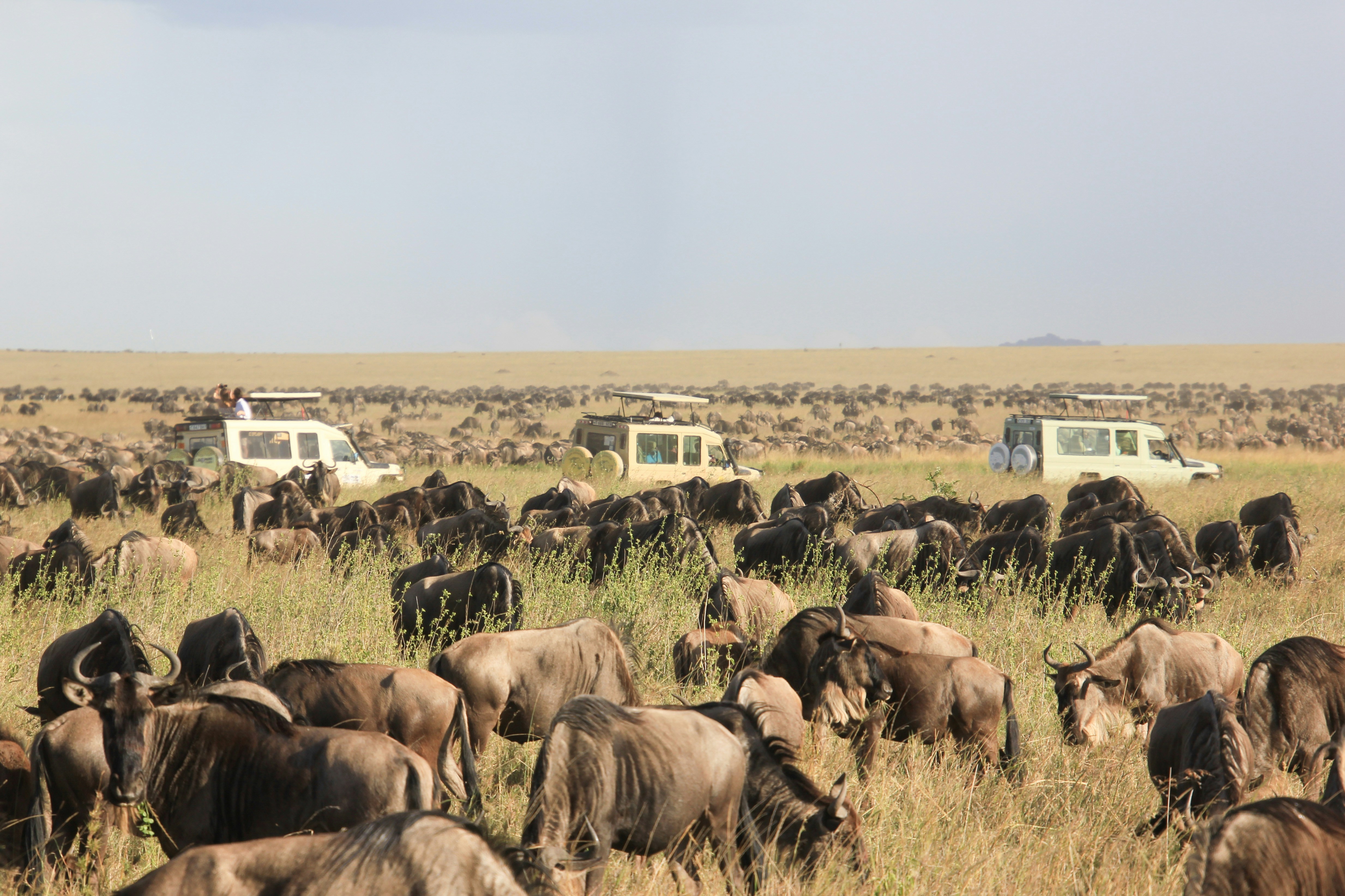
Serengeti National Park
View Details