Serengeti National Park
About Serengeti National Park
Prepare to have your breath taken away as you stand on the crater rim and gaze down into what many call the "Eighth Wonder of the World" – the Ngorongoro Crater, the world's largest intact volcanic caldera and one of Africa's most spectacular natural amphitheaters. This UNESCO World Heritage Site represents something truly unique in the natural world: a completely self-contained ecosystem where approximately 30,000 animals live within steep crater walls that rise 600 meters high, creating a wildlife paradise that seems almost too perfect to be real.
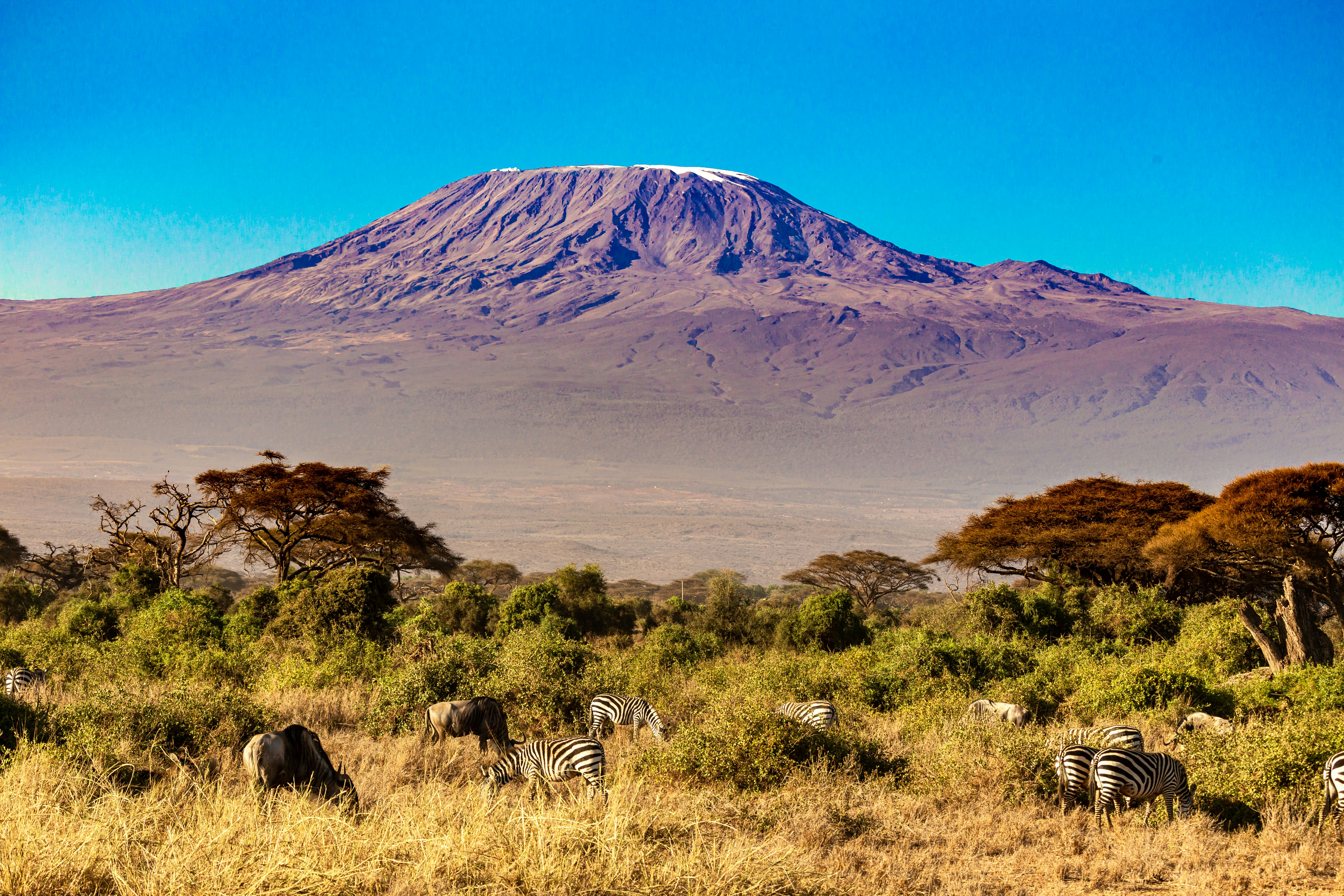
The Ngorongoro Crater formed over two million years ago when a massive volcano, possibly as tall as Mount Kilimanjaro, exploded and collapsed upon itself, creating a caldera that spans 260 square kilometers with a diameter of approximately 19 kilometers. Today, this ancient volcanic bowl has become one of the most densely populated wildlife areas on Earth, offering visitors the extraordinary privilege of spotting all Big Five animals in a single game drive – an achievement possible in very few places worldwide. The crater floor, sitting at 1,800 meters above sea level, encompasses diverse habitats from acacia forests and swamps to open grasslands and a permanent soda lake that attracts thousands of flamingos.
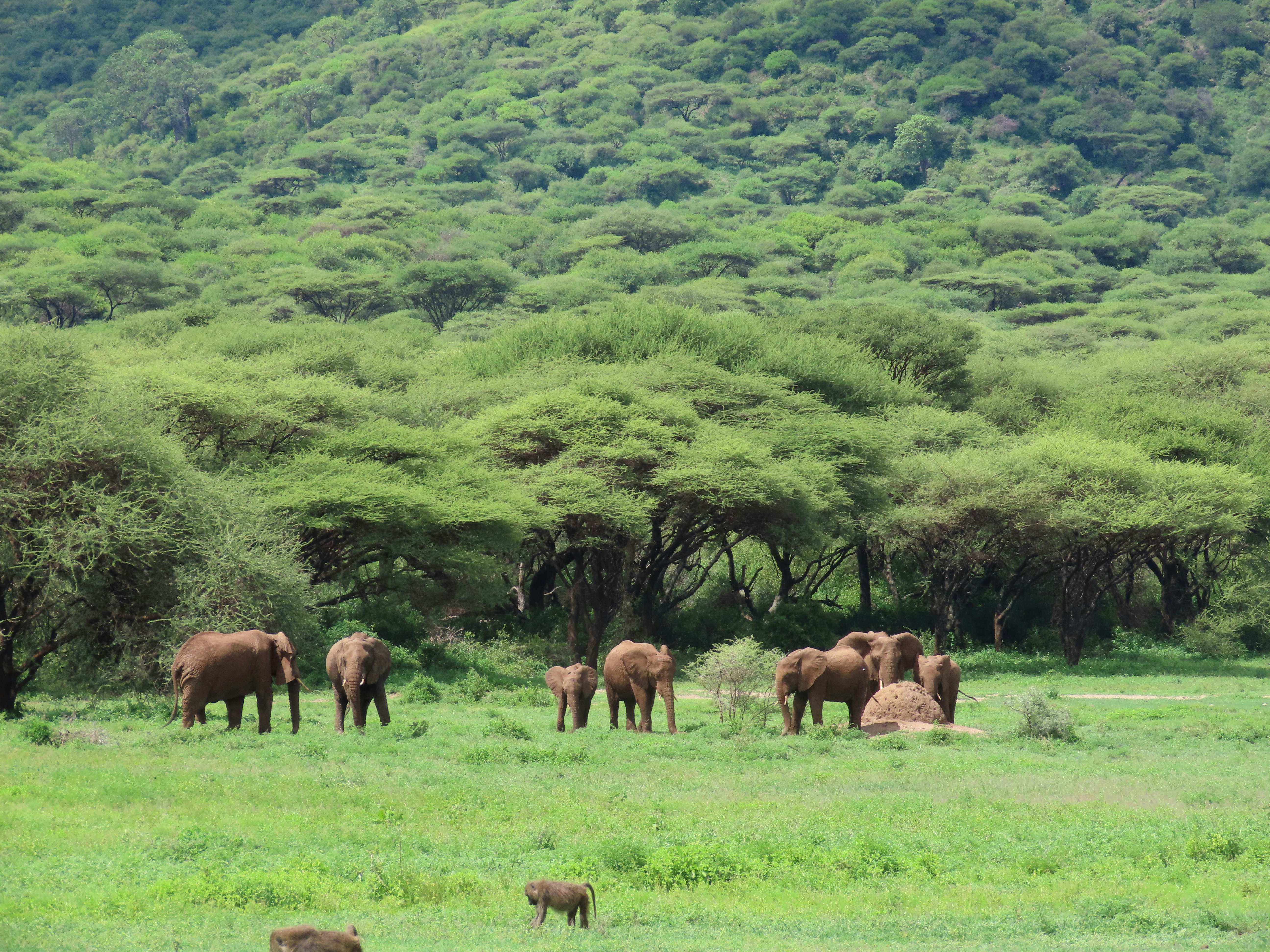
The Ngorongoro Crater is one of the best places in Africa to see the critically endangered black rhinoceros. These magnificent prehistoric-looking creatures, once on the brink of extinction due to poaching, find sanctuary within the crater's protective walls. Watch these solitary animals grazing peacefully on the crater floor, a sight that becomes even more meaningful when you understand how rare they have become in the wild. The crater is also home to some of Africa's largest tusked elephants – enormous bulls whose impressive ivory makes them particularly special. These elephants, along with large buffalo herds numbering in the hundreds, create an atmosphere of primeval Africa.
The crater's lion population is particularly fascinating. These lions have developed unique characteristics from generations of living within the confined crater environment. Watch massive-maned males patrol territories that have been held by their prides for decades, and observe the complex social dynamics of prides that can number over 20 individuals. The crater also harbors significant populations of spotted hyenas, whose powerful clans compete with lions for dominance, creating dramatic interactions. Cheetahs, though less common than in the Serengeti, can be spotted hunting on the open plains, while leopards lurk in the forested areas around the crater rim.
One of the crater's most enchanting features is Lake Magadi, a shallow soda lake at the crater's center that changes character with the seasons. During certain periods, thousands upon thousands of flamingos descend upon the alkaline waters, creating a stunning pink ribbon that stretches across the crater floor. Hippos wallow in freshwater pools, grunting and jostling for position, while massive herds of wildebeest, zebra, and Grant's and Thomson's gazelles graze the nutritious grasses that grow on volcanic soils enriched by millennia of accumulated nutrients.
Beyond the crater itself, the Ngorongoro Conservation Area encompasses over 8,292 square kilometers of extraordinarily diverse landscapes. Ascend to the crater highlands where ancient volcanic peaks pierce the clouds and montane forests shroud the slopes in mysterious mist. Here, the Maasai people continue their traditional pastoral lifestyle, herding cattle across lands their ancestors have occupied for centuries, creating a unique model where wildlife conservation and human habitation successfully coexist. Visit a Maasai boma to experience authentic culture – watch traditional jumping dances, learn about warrior traditions, admire intricate beadwork, and understand how these proud people maintain their heritage while living alongside Africa's most dangerous wildlife.
The conservation area also contains sites of immense archaeological significance. The nearby Olduvai Gorge, often called the "Cradle of Mankind," is where pioneering archaeologists Louis and Mary Leakey made groundbreaking discoveries of early human ancestors, including fossilized footprints and skeletal remains dating back 3.6 million years. Standing in this ancient landscape where our earliest ancestors walked, hunted, and evolved provides a profound connection to human history that complements the incredible wildlife experiences.
The area's volcanic heritage creates stunning geological features throughout. Explore the Empakaai Crater, a smaller but equally beautiful caldera with a deep lake surrounded by forested walls where blue monkeys play and flamingos feed. Visit the active volcano Ol Doinyo Lengai, the "Mountain of God" in the Maasai language, which erupts unique natrocarbonatite lava that appears black in daylight but glows red at night. Trek through the Olmoti Crater to discover pristine highland landscapes and a waterfall that feeds the Munge River.
The Ngorongoro Conservation Area offers landscapes that shift dramatically with altitude and season. During the rainy season, the highlands transform into a lush green paradise with wildflowers carpeting the slopes and waterfalls cascading down crater walls. In the dry season, golden grasses and dusty plains create classic African savannah scenes. The temperature variations are equally dramatic – mornings on the crater rim can be cold enough to see your breath, while the crater floor bakes in equatorial sun.
Wildlife viewing in Ngorongoro is remarkably reliable regardless of season, as the permanent water sources keep animals resident year-round. Game drives on the crater floor provide intimate encounters with wildlife against a backdrop of spectacular scenery – imagine photographing a black rhino with the crater walls rising majestically behind it, or watching a pride of lions resting beside the lake with flamingos in the background. The crater's compact size means animals are never far away, creating exceptional photographic opportunities and allowing even short visits to yield incredible wildlife sightings.
Ngorongoro represents something increasingly rare in our modern world – a place where nature still operates according to its own ancient rules, where human visitors are privileged observers rather than controllers. Whether you're descending the winding road to the crater floor as dawn breaks, watching elephants silhouetted against the sunset, standing where our human ancestors took their first steps, or learning from Maasai elders about living in harmony with wildlife, Ngorongoro offers experiences that transcend ordinary safari adventures. This is where conservation meets culture, where geological wonders combine with biological marvels, and where every view reminds you why Africa remains the world's most spectacular wildlife destination.
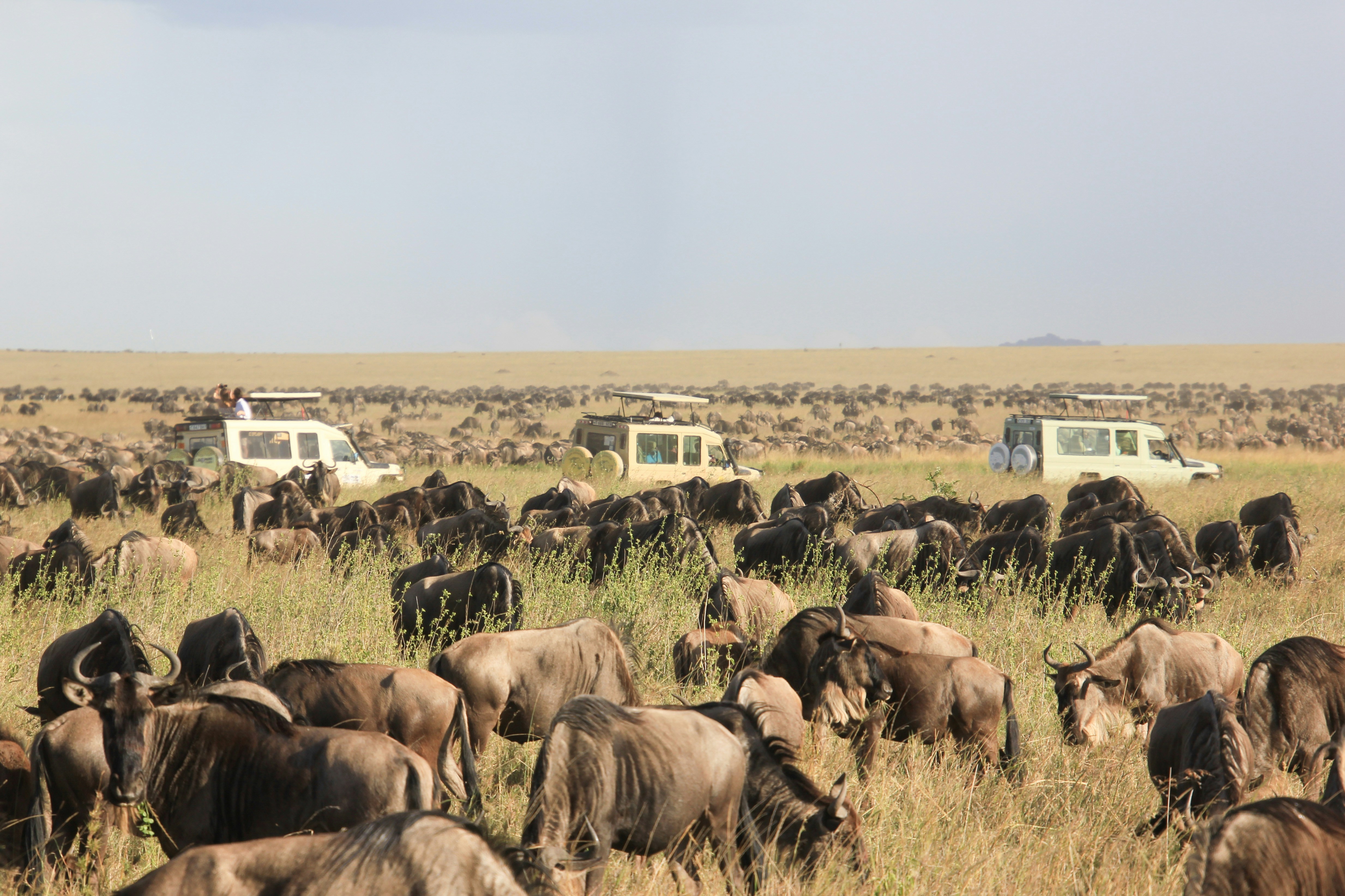
Best Time to Visit: Year-round destination with excellent wildlife viewing in all seasons; June to October offers dry weather, clear skies, and easy crater access with spectacular visibility for photography; November to May brings lush green landscapes, newborn animals, brilliant wildflowers, and fewer tourists, though afternoon rains are common; January to March is ideal for witnessing the wildebeest migration calving season in the nearby Ndutu plains.
Related Destinations
-
Zanzibar Archipelago
View Details -
Ngorongoro Conservation Area
View Details -
Mount Kilimanjaro National Park
View Details